Energy Density and Delivery Infrastructure Challenges in Off-Grid Locales
When designing a resilient backup energy infrastructure for modern properties, relying strictly on the electrical grid introduces severe vulnerabilities. For heating, cooking, and powering large standby emergency generators, gas remains one of the most reliable and stable energy sources available. However, consumers frequently face a structural choice between utilizing localized Liquid Propane (LP) gas or connecting to a public Natural Gas (NG) utility pipeline. Both fuels offer exceptional performance, but their logistical structures are entirely different.
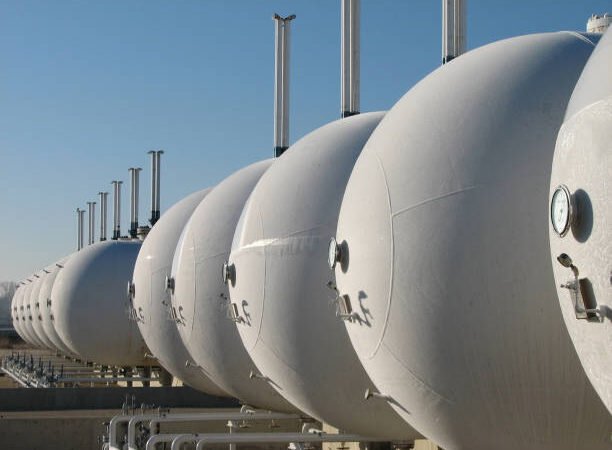
Natural gas relies completely on public municipal pipeline infrastructure. If your property is located within an urban zone with active utility lines, natural gas provides an unbroken, infinite supply of fuel without requiring storage tanks. Conversely, for remote home offices, agricultural setups, and off-grid real estate, propane is the gold standard. Propane is compressed into liquid form and stored in dedicated, high-pressure on-site tanks. Because propane delivers nearly double the energy density of natural gas per cubic foot, it stands as a highly efficient, self-contained energy reserve that operates independently of municipal failures.
Safety Protocols and Smart Monitoring for Residential Gas Implementations
Integrating high-capacity gas systems into your residential infrastructure demands a strict adherence to corporate safety frameworks and monitoring protocols. Both propane and natural gas are naturally odorless, meaning manufacturers inject a chemical compound called mercaptan to give the gas a distinct, sulfur-like smell to alert occupants to potential leaks. To protect your property against structural hazards, installing modern, smart gas detectors throughout utility rooms and living spaces is a non-negotiable requirement.
Next-generation gas monitoring extends beyond basic emergency alarms. Smart fuel tank sensors can be attached directly to residential propane tanks, streaming real-time fuel volume data to your smartphone via cellular or Wi-Fi networks. These advanced applications calculate your average fuel burn rate based on weather patterns and automatically alert local delivery providers when your reserves drop below critical thresholds (e.g., 20%). Implementing automated monitoring ensures your backup heating and power systems remain fueled throughout extreme winter storms and prolonged regional crises.